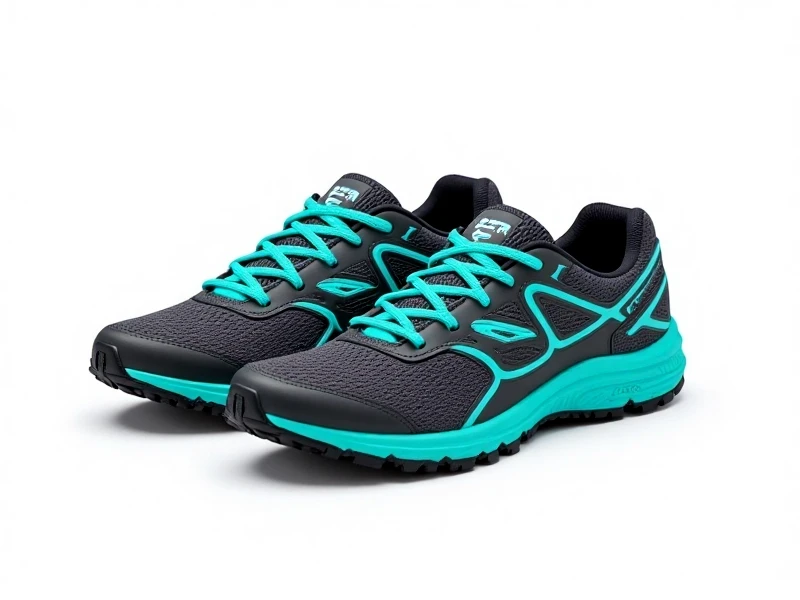
Step Up Your Game: Choosing Sports Shoes That Elevate Your Performance
The right sports shoes are more than just comfortable kicks; they're essential equipment for peak performance and injury prevention. Whether pounding the pavement on a run, making sharp cuts on the basketball court, or lifting heavy weights, wearing footwear specifically designed for your activity can make a significant difference.
Understanding the nuances of sports shoes starts with recognizing their construction. Modern performance shoes often feature a layered approach:
- Upper: Materials like engineered mesh provide breathability and a snug, adaptive fit, crucial for avoiding blisters and maintaining stability.
- Midsole: This is the heart of cushioning and support. Technologies like EVA foam, air units, or gel pods absorb impact, returning energy with each stride. Different sports demand different midsole characteristics – runners need consistent shock absorption, while tennis players require stability for lateral movements.
- Outsole: Rubber compounds and tread patterns (studs, herringbone, etc.) are designed for optimal traction on specific surfaces (track, court, trail) and enhanced durability. The flexibility of the outsole also impacts natural foot motion.
The purpose of your athletic activity fundamentally dictates the type of sports shoes you need:
- Running Shoes: Prioritize cushioning and shock absorption to protect joints over miles. Options include neutral, stability, or motion control varieties based on your gait.
- Basketball/Volleyball Shoes: Focus on ankle support, cushioning for jumps, and exceptional lateral stability for quick, multi-directional movements. Higher cuts are common.
- Cross-Training Shoes: Offer versatility with a balance of cushioning, lateral support, and stability, suitable for gym workouts, HIIT classes, and varied functional movements.
- Tennis/Squash Shoes: Feature non-marking soles with herringbone patterns for court grip and sturdy construction to withstand side-to-side dragging motions.
- Trail Running Shoes: Equipped with aggressive lugs on the outsole for superior grip on uneven, muddy, or rocky terrain, plus protective toe caps.
Selecting Your Perfect Pair: Key Considerations
- Fit is Paramount: Shoes should fit snugly without pinching. Account for foot swell during exercise.
- Understand Your Arch & Gait: Knowing if you have flat feet (pronation), high arches (supination), or a neutral gait helps determine if you need extra stability or cushioning. Consult a specialist or analyze wear patterns on old shoes. Look for specific athletic footwear designed for your pronation type.
- Match the Shoe to the Sport: This cannot be overstated. Using running shoes for tennis significantly increases injury risk.
- Check Wear Patterns: Replace athletic shoes every 300-500 miles or when you notice significant sole wear, loss of cushioning, or uneven patterns that could affect your biomechanics. Outdated footwear loses its protective benefits.
- Consider Materials: Breathable fabrics keep feet cool, while waterproof options suit specific environments.
Investing in the right sports shoes tailored to your activity level, biomechanics, and preferred sport isn't a luxury; it's fundamental for unlocking your potential and safeguarding your body. Prioritize function over fashion, and your feet will thank you. Reading in-depth performance footwear reviews can also offer valuable insights when making your selection.