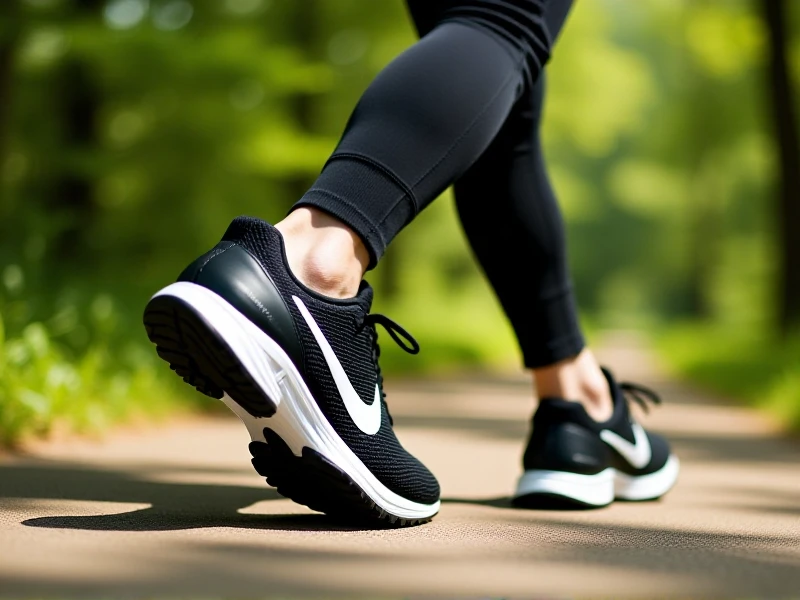
Your Perfect Pair: The Ultimate Guide to Choosing Running Shoes
As someone passionate about running, I know how crucial the right footwear is for your journey. Whether you're a beginner hitting the curb or a seasoned marathoner, investing in high-quality running shoes can prevent injuries—like shin splints or blisters—and boost your performance. In this guide, I'll share practical insights to help you find running shoes that suit your stride. Let's dive in.
First, understand your needs. Running shoes come in various types, so analyze your running style. For stability, shoes with reinforced arches reduce pronation for overpronators on hard surfaces. Lightweight options cater to speed demons prioritizing quick transitions. On trails, rugged outsoles provide essential traction, while cushioned models absorb impact long-distance. Always check features like breathable mesh uppers to keep feet cool or responsive midsoles that return energy with each step—I learned this through years of pounding pavements in ill-fitting pairs.
Next, focus on fit and comfort during sizing. Visit a dedicated running store where experts watch your gait with a treadmill test. Aim for half an inch of space at the toe box, ensuring no pinching. Test run shoes on-site, mimicking your pace; they should feel like "gloves for feet" from day one. Over time, rotate multiple pairs to extend their lifespan. Remember, even top brands wear down after 400-500 miles. For me, replacing worn shoes promptly saved my knees and spiked my PRs in local races.
Ultimately, quality running shoes are an investment in your health. My advice? Start by identifying your goals—support for recovery runs or minimal design for sprints. Brands like Brooks or ASICS offer great entry points, but personalized trials reign supreme. Share your stories below or on our blog! By prioritizing fit and function, you'll conquer every mile with confidence. Happy running!