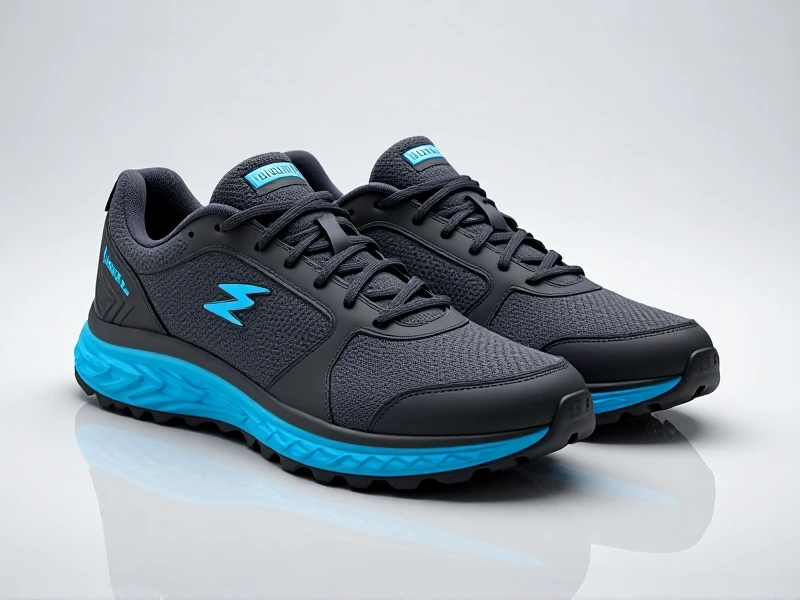
How to Pick the Perfect Pair of Sports Shoes
Your performance, injury risk, and sheer enjoyment during activities like running, basketball, gym workouts, or hiking heavily depend on one crucial choice: your sports shoes. Picking the right pair isn't about the flashiest design; it's about finding the technical partner that empowers your movement. Understanding your specific needs and the diverse landscape of sports footwear is essential.
First, consider your primary activity. Are you logging miles on roads or trails? Running shoes are meticulously designed for forward motion, offering cushioning for impact absorption during heel strikes and flexibility to propel you forward. Road runners prioritize different cushioning levels (max, plush, or minimal), while rugged trail running shoes deliver aggressive grip, rock plates for protection, and enhanced stability for uneven terrain. Playing basketball? You need basketball shoes with excellent court-specific traction, ankle support for quick cuts and jumps, and responsive cushioning for explosive movements. For lifting weights or gym HIIT sessions, cross-training shoes provide stable, non-compressible soles for squats and deadlifts and enough agility for lateral movements, avoiding the deep cushioning that can destabilize lifts.
Once your sport is defined, the fit becomes paramount. Never compromise here. Sports shoes generally require slightly more space (about a thumb's width) than your regular shoes to prevent blisters and toe bruising, especially on downhill runs. Always try shoes on in the afternoon when feet naturally swell. Walk, jog, and mimic sport-specific moves if possible. The heel should lock securely without slippage, and the midfoot should feel snugly supported, not pinched. Width is critical – cramped toes lead to pain.
Pay attention to support and cushioning technology. Most brands use proprietary systems – like Nike Air, Adidas Boost, or ASICS GEL – offering varying levels of responsiveness, shock absorption, and energy return. For runners, understanding your gait and foot type (neutral, overpronation, supination) guides you toward motion control, stability, or neutral options. High arches might need enhanced cushioning, while low arches often benefit from structured support.
Lastly, don't rush the decision. Your sports shoes are an investment in your body and performance. Test different brands and models relevant to your activity. Remember, the best sports shoes make you forget you're wearing them while actively enhancing your stride, jump, or lift. Take the time to get the perfect fit and feel – your feet and workouts will thank you. What features matter most to you in your sports shoes? Share your experience below!