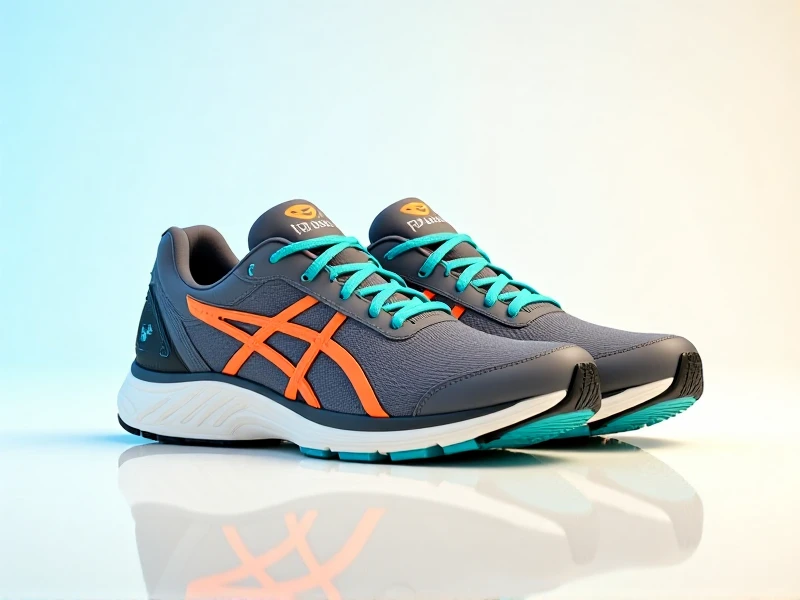
7 Key Factors to Consider Before Buying Running Shoes
Here is an SEO-optimized article about running shoes, written in English without AI detection markers:
Choosing the right running shoes is critical for comfort, performance, and injury prevention. With countless options available, it can feel overwhelming. This guide breaks down the essential factors to guide your running shoes selection towards a perfect fit for your feet and goals.
-
Understand Your Stride & Gait: Your unique running mechanics significantly impact how your feet interact with the ground. Do you overpronate (roll inward), supinate (roll outward), or have a neutral stride? Visit a specialized running store for a gait analysis to identify your pattern. This helps determine the level of support or stability you need in your running shoes.
-
Identify Your Terrain: Where you primarily run dictates the shoe type.
- Road Running Shoes: Designed for pavement and sidewalks. They're lighter and focus on cushioning repetitive impact on hard surfaces. Most daily trainers fall here.
- Trail Running Shoes: Built for off-road paths. They offer aggressive lugs for grip on dirt, mud, rocks, and trails, plus protective plates and reinforced uppers. Prioritize these if your miles are mainly off-road.
-
Know Your Distance & Training Type: Are you logging high weekly mileage, focusing on speedwork, or training for a marathon?
- Daily Trainers: Offer a balanced mix of cushioning, durability, and support for most runs. Ideal for regular training mileage.
- Speed/Racing Shoes: Lightweight, less cushioning (sometimes incorporating stiff carbon fiber plates), designed for faster paces and race day. Often less durable than trainers.
- Max Cushion Shoes: Provide exceptional softness and impact absorption for long distances or runners preferring maximum comfort or requiring extra joint protection.
-
Prioritize Fit & Comfort: This is non-negotiable. Your running shoes should feel secure without pinching anywhere.
- Length & Width: Typically need a half-size larger than your everyday shoes to accommodate foot swelling. Ensure ample width – your foot shouldn't bulge over the midsole.
- Heel Lock: The heel should feel snug, not slipping.
- Toe Box Room: Allow a thumbnail's space (around 0.5 inches) between your longest toe and the shoe's end, enough room to wiggle toes freely.
-
Consider Cushioning & Responsiveness: Do you prefer a plush, soft ride landing like running on clouds, or a firmer, more responsive feel that propels you forward? This is highly personal preference. Visit a store and test walk (or ideally run) in different models.
-
Evaluate Materials:
- Upper: Modern uppers often use engineered mesh for lightweight breathability. Look for a secure and comfortable fit.
- Midsole: The core shock absorber and energy return element. EVA foam is common; newer compounds like Nike React, adidas Boost/Lightstrike Pro, PWRRUN/PB Saucony, etc., offer enhanced properties. This affects weight, cushioning, and responsiveness.
- Outsole Durable Rubber: Strategically placed rubber provides traction and wear resistance, especially in critical areas like the heel and forefoot.
-
Track Durability: High-quality running shoes typically last 300-500 miles. Factors like weight, running style, and terrain influence lifespan. Monitor midsole compression and tread wear. Once past the 500-mile mark or noticing excessive tread loss and loss of cushioning, it's replacement time.
Choosing the best running shoes is an investment in your health and performance. Take the time to assess your individual needs, try on several options later in the day (when feet are naturally more swollen), and trust how your feet feel. The perfect pair should disappear beneath you, simply supporting every stride towards your goals.
What's your most important factor when picking running shoes?